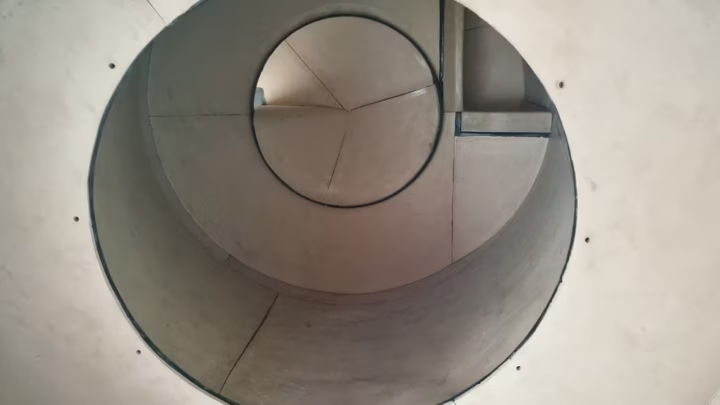
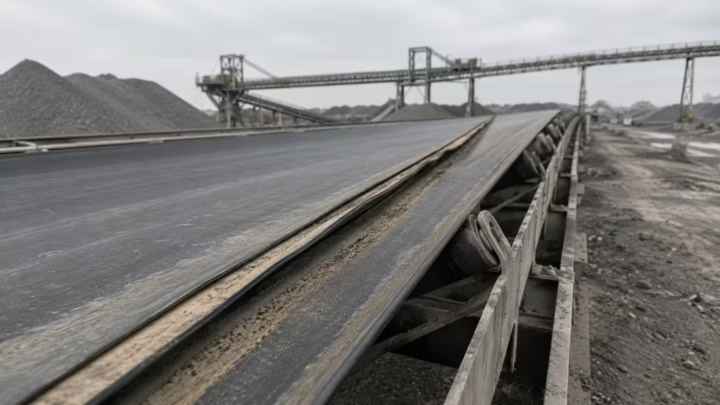
On a long, fast belt at a bulk-handling operation, one single idler had stopped turning. It did not look broken, it just would not turn any more, and so it went unnoticed for a long time. Its steel end cap worked its way into the underside of the belt like a pizza cutter while the belt ran over it at several metres per second. By the end, a belt worth as much as a small car was written off, over an idler that costs a few euros to buy.
Why a seized idler gets so expensive
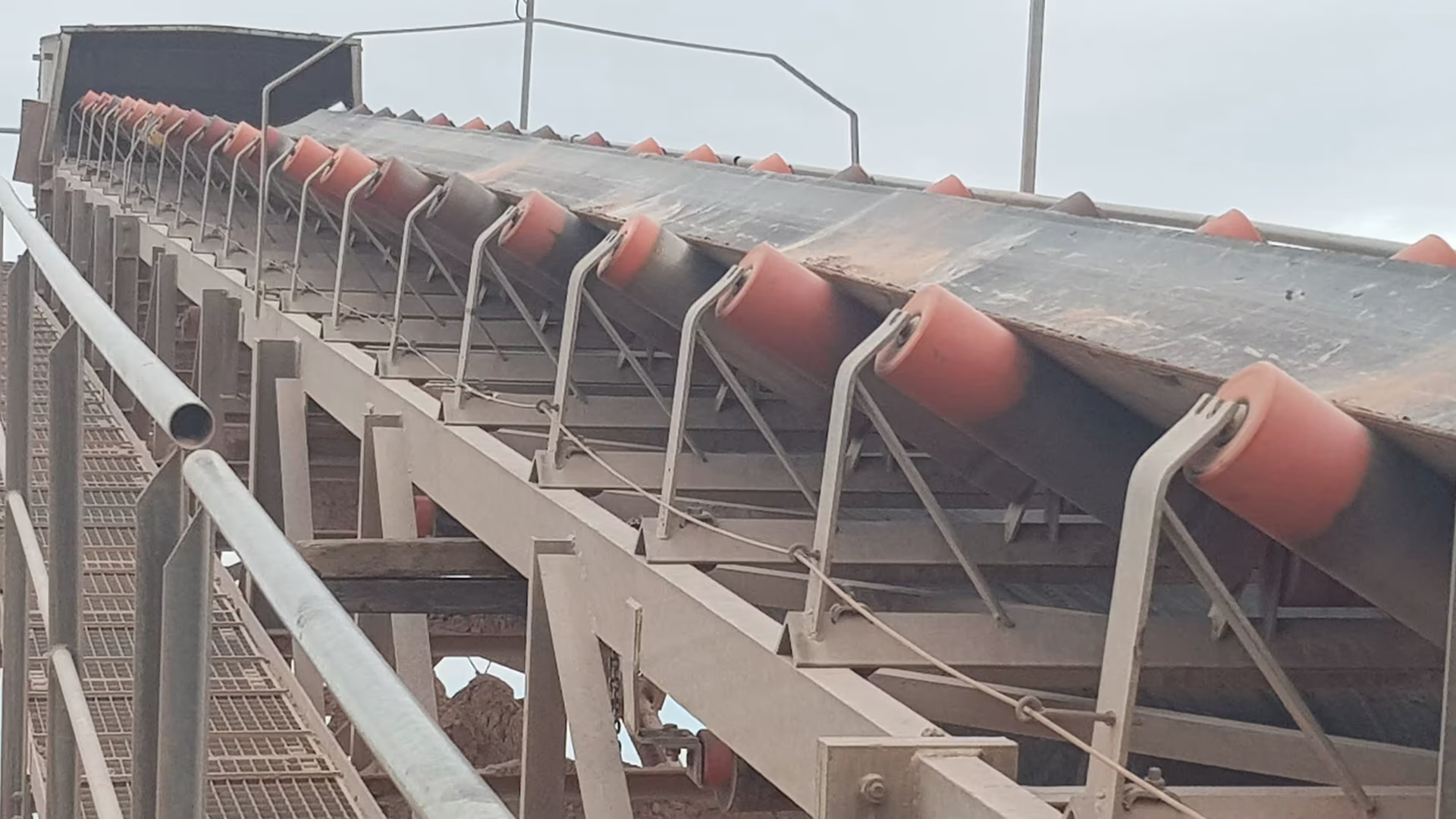
Do the sums and you can see why this story is not a one-off. Large belt installations run several kilometres and carry several thousand idlers. The motor, the drive, the belt and the transformer each get their own monitoring; the idlers usually run with none. They turn until they stop, and nobody is watching.
That is more expensive than it looks. A worn or noisy roller wastes energy, drives up belt wear and pushes the belt off track. In the worst case you end up with a belt tear or even a fire, and at that point it stops being about maintenance and becomes about the safety of the people at the plant.
The economics behind it are simple. An idler costs a few euros to buy. The belt above it is often the single most expensive part of the whole installation. Let the roller seize and it damages itself and works away at the underside of the belt. That costs you twice: once for the new roller, once for the downtime while the belt stands still and nothing moves. The two together cost many times as much as the roller.
The three senses of inspection: listen, look, feel
A damaged idler does not present a single, clear fault pattern. Sometimes it gives itself away through noise, often high up in the ultrasonic range; sometimes through a bearing that warms up; sometimes through vibration. There is no single, always-the-same early signal. That is exactly what makes it tricky: you cannot rely on any one symptom.
That is why the idea of simply bolting a sensor to every roller is less useful in practice than it sounds. Attempts to measure wear through vibration or temperature probes on or inside the roller alone have proven unreliable. The same environment that wears the idler down is just as hard on the sensor. Dust, water and knocks do not stop at the measuring device.
What is left is a person on the walk-round, and a person has more than one channel. Listen for a roller that is out of step with the rest. Look for the one that no longer turns or shows a roller shell worn shiny. And feel whether a bearing housing is warmer than its neighbours, but do that with the plant shut down, never with your hand on a running belt. Only the three together give you a picture. You usually hear the damage first, then confirm it with eye and hand.
Making sense of the noises
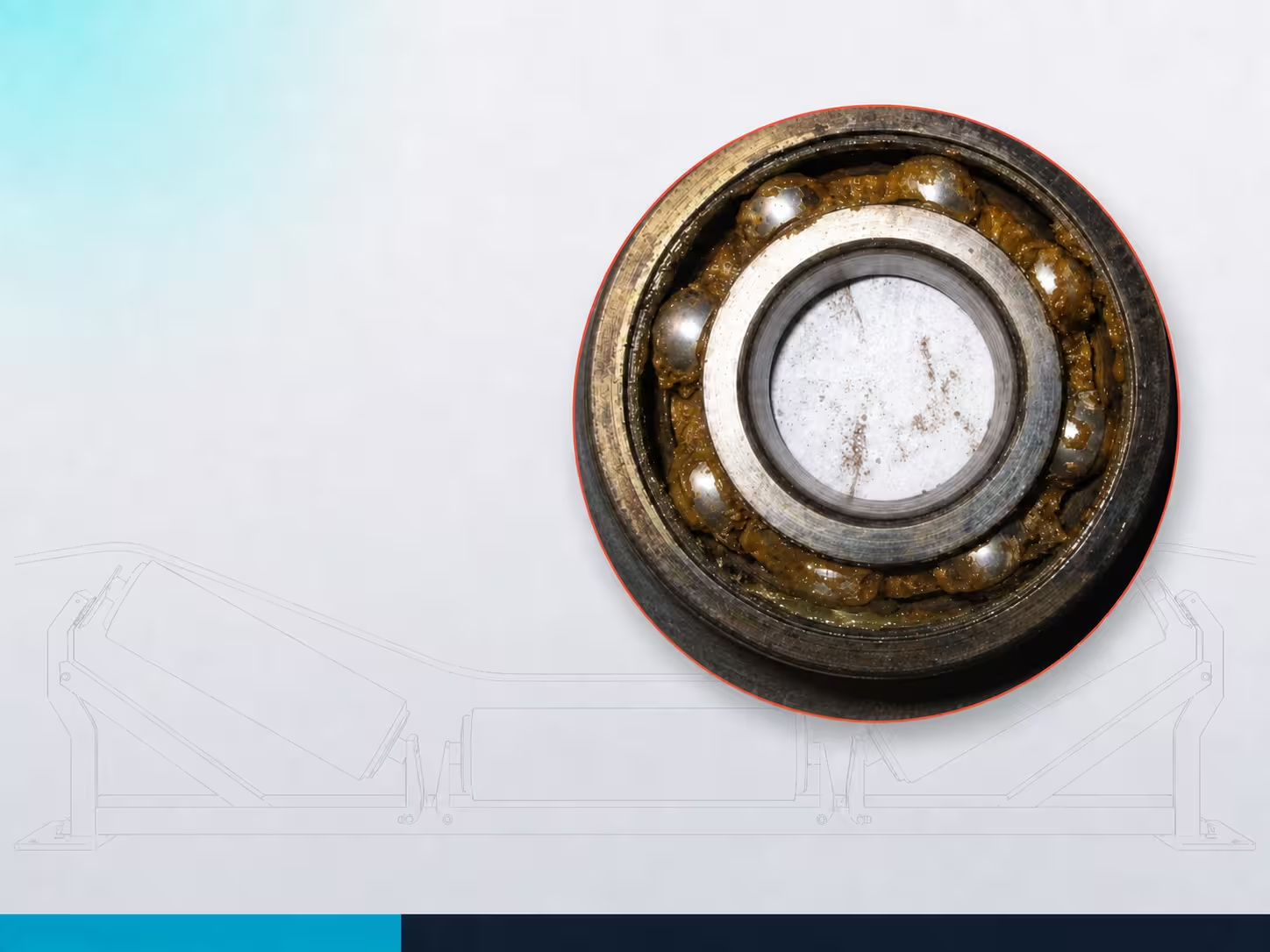
A shift lead once reported a “noisy roller” to me. My first question was not where, but which noise. A bearing talks; you just have to know the language. What you hear is a fairly good clue to what ails it.
The breakdown that follows comes from general rolling-bearing knowledge, not from any idler-specific measurement. It still carries over well, because what sits inside an idler is, after all, just a rolling bearing. A note on the terms: the raceway is the track inside the bearing that the balls run on, not the visible surface of the roller. The rolling elements are those balls, and fit, bearing clearance and preload describe how tightly the bearing sits on its seat and how tight it is internally.
| What you hear | Usually points to | What that means for you |
|---|---|---|
| Loud, metallic noise | Overload, a fitting error or missing grease | Check that load, seating and lubrication are right |
| Loud, even grinding | Foreign objects rolled over, corrosion or a scored raceway | Usually cleaning and re-greasing, otherwise replacement |
| Irregular noise | A problem with fit, bearing clearance or preload | Where foreign objects have got in or a rolling element is damaged, only a replacement will do |
One detail makes the diagnosis almost clear-cut: temperature. When a bearing runs distinctly hotter than the rollers beside it, the noise gains a second witness. A sharp rise in temperature can come from too much or too little lubricant, from overload or from a fitting error. It can just as well come from the bearing wandering on its seat or the seal rubbing too tight. Keep that one in mind for later, because in the second case a new bearing does nothing at all.
Why idler bearings fail
Look at rolling bearings in general and the picture is strikingly one-sided. By one analysis from the bearing literature, around 70 percent of failures trace back to lubrication problems: contamination, the wrong or too-old lubricant, too little of it. A further 15 percent or so are fitting errors. Those are general bearing figures, not a measurement on idlers. But the same pattern holds true out at the belt.
With an idler, it almost always comes down to the seal. As long as it holds, the bearing stays sound. Let dust and water reach the grease and it is only a matter of time. The seal is the bearing’s front door. Leave it open and in move exactly the guests that ruin the grease. That is why the cheapest measure is also the most effective. Keep it clean, keep it sealed, and the roller lasts far longer than its catalogue price suggests.
The damage is therefore prevented above all at the seal.
The costly consequence: from a seized roller to belt damage
A seized roller no longer rolls, it grinds. And grinding produces exactly the two things that damage the belt: friction and heat. The belt drags across the stationary steel, and depending on the end cap the roller turns from a wear part into a tool. A steel edge cuts where a worn-down plastic cap would only have left a dent. That is precisely what had happened at the bulk-handling operation from earlier.
But it does not stop at the one roller. A seized or skewed idler brakes on one side and pushes the belt off track. The edge rubs against the steelwork, frays, and in the worst case the belt is torn apart lengthways. At the end of the chain sits the most expensive case of all: a bend pulley that fails catastrophically and takes the plant out of service for a long repair shutdown.
That is why the jammed roller turns up so often in fault-finding. When a belt mistracks, slips or wears faster than it should, a walk-round along the idlers is one of the first things you do. The roller is not always the cause, but it is quick to check and expensive to ignore.

Repair or replace, and when
The most important rule is already set: change the bearing before the roller stops. A roller that still grinds but turns costs you a bearing. A roller that seizes costs you the roller and a length of belt with it. Between the two there are often only a few days, days in which someone should have been listening.
Whether a bearing swap is even enough depends on the cause. If the raceway shows pitting, if foreign objects have got in or a rolling element is damaged, there is no way around replacing the roller. But if the problem lies in the bearing wandering on its seat or the seal rubbing, a new bearing does nothing. You fit a fresh part onto the same fault, and a few weeks later you are back where you started.
Fixed intervals you will not get from me, because there is no solid figure to give. What there is, is the walk-round. A daily visual inspection that watches for seized rollers, worn parts and anything irregular catches most cases before they get expensive. How often and how thoroughly is set by your plant, not by the calendar.
And then there is the most unglamorous maintenance of all: keeping things clean. Material that clings to rollers and bearings has to go. A scraper that takes the carryback off the belt keeps the rollers clean too and extends their service life into the bargain. This is routine, and it pays for itself.
- A loud or seized idler is an early warning. Listen, look and feel on your walk-round instead of relying on a single sensor.
- The noise gives the fault away: metallic points to overload, fitting errors or missing grease; even grinding to foreign objects, corrosion or scoring on the raceway inside the bearing; irregular to the seat and bearing clearance. A hot bearing confirms it.
- On idlers the seal is the weak point. Dust and water in the grease shorten service life more than anything else.
- Change the bearing before the roller seizes. A seized roller damages itself and works away at the underside of the belt.
- If the cause is the seat or the seal, a bearing swap on its own achieves nothing. Fix the cause first, then change the part.
- There are no fixed intervals. A walk-round with ear, eye and hand, and a belt kept clean, are the cheapest insurance.
Frequently asked questions
How do you spot a faulty conveyor idler in operation?
By three things, best taken together. On your walk-round, listen for a roller running louder than its neighbours. Look for the one that no longer turns or shows a roller shell worn shiny. And feel whether a bearing housing is distinctly warmer, but only with the plant shut down. There is no single, always-the-same early signal, which is why you combine listening, looking and feeling.
What do the different idler noises mean?
Roughly, by general rolling-bearing knowledge: a loud, metallic noise points to overload, a fitting error or missing grease. A loud, even grinding points more towards foreign objects rolled over, corrosion or a scored raceway. An irregular noise points to a problem with fit, bearing clearance or preload. Add a hot bearing and the diagnosis becomes fairly clear-cut.
When does a conveyor idler need replacing?
At the latest before it seizes, because a stopped roller damages itself and the belt. If the raceway shows pitting, if foreign objects have got in or a rolling element is damaged, there is no getting around replacement. But if the cause sits in the seat or the seal, a bearing swap on its own will not help, and you have to fix the cause first.
What happens if you ignore a seized conveyor idler?
It grinds instead of rolling and produces friction and heat. The belt runs off track, the edge rubs against the steelwork and frays, and in the worst case the belt tears apart lengthways. At the end of the chain a bend pulley can fail catastrophically and take the plant out of service for a long shutdown. An idler worth a few euros ruins a belt that costs many times as much.
How do you prevent bearing damage on conveyor idlers?
Keep the rollers clean and sealed, because on idlers the seal is the weak point. Dust and water in the grease cost the bearing its service life. A scraper that takes the carryback off the belt keeps the rollers clean too. There are no fixed intervals, but a regular walk-round that listens, looks and feels catches most cases early.
The Conveyor Belt Calculator delivers cross-section, mass flow and drive power for your installation, free in the browser and without signing up.